
The Gloucestershire Wednesday Auction's success hinges on strategic planning encompassing market research, logistics management, and meticulous organization. Key aspects include setting competitive prices for antiques and collectibles based on industry trends and local demand, ensuring positive attendee experiences through venue selection, accessible parking, clear signage, and catering, and creating detailed event schedules with well-timed breaks and food options. Skilled auctioneering, compelling item descriptions, effective time management, advanced auction software, and professional demeanor are crucial for audience engagement. Post-event analysis refines strategies, attracts larger audiences, and drives higher sales.
In the dynamic world of auctions, Saturday live events hold a unique allure, drawing both seasoned collectors and curious enthusiasts. Among these, the Gloucestershire Wednesday Auction stands out as a beacon of excellence, offering a platform for rare artifacts and cherished collectibles to find their forever homes. However, navigating these vibrant sales can be daunting, particularly for newcomers. This article delves into the intricacies of successful participation in Saturday live auctions, providing invaluable insights and strategies to ensure a rewarding experience, whether based on the esteemed Gloucestershire Wednesday Auction or similar events globally.
- Planning and Preparation for Gloucestershire Wednesday Auction
- Executing the Live Auction: Tips and Best Practices
Planning and Preparation for Gloucestershire Wednesday Auction
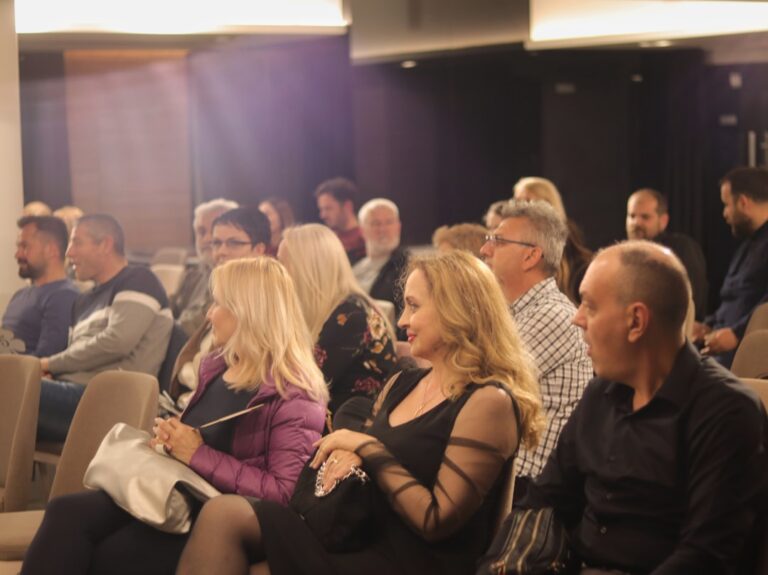
The success of a live auction event, such as the Gloucestershire Wednesday Auction, hinges on meticulous planning and preparation. This involves everything from marketing strategies to logistics management. Initially, conducting thorough market research is paramount. Understanding current trends in the auction industry and local demand for the items up for bid provides valuable insights into setting competitive yet fair prices. For instance, data from past Gloucestershire Wednesday Auctions has shown that antiques and collectibles consistently attract a strong bidder turnout, indicating a focused marketing approach tailored to these categories could enhance this year’s event.
Logistics play a crucial role in ensuring a seamless experience. Venue selection should consider the number of expected attendees, accessibility for both buyers and sellers, and adequate space for item display. Secure parking arrangements and clear signage can alleviate potential congestion, fostering an enjoyable atmosphere. Additionally, coordination with local caterers to provide refreshments during breaks enhances participant satisfaction. Past feedback from Gloucestershire Wednesday Auction attendees suggests that well-timed breaks and delicious food options significantly contribute to a positive overall experience.
Expert advice recommends creating detailed schedules for the event day. This includes setting precise times for lot arrivals, auctions, and item pickups. Clear communication of these schedules via email and on-site notices ensures all participants are informed. Furthermore, having backup plans in place for unforeseen circumstances, such as weather disruptions or technical glitches, demonstrates a high level of professionalism. The Gloucestershire Wednesday Auction has successfully implemented such measures, ensuring that even amidst challenging conditions, the event runs smoothly, leaving a lasting positive impression on attendees and sellers alike.
Executing the Live Auction: Tips and Best Practices
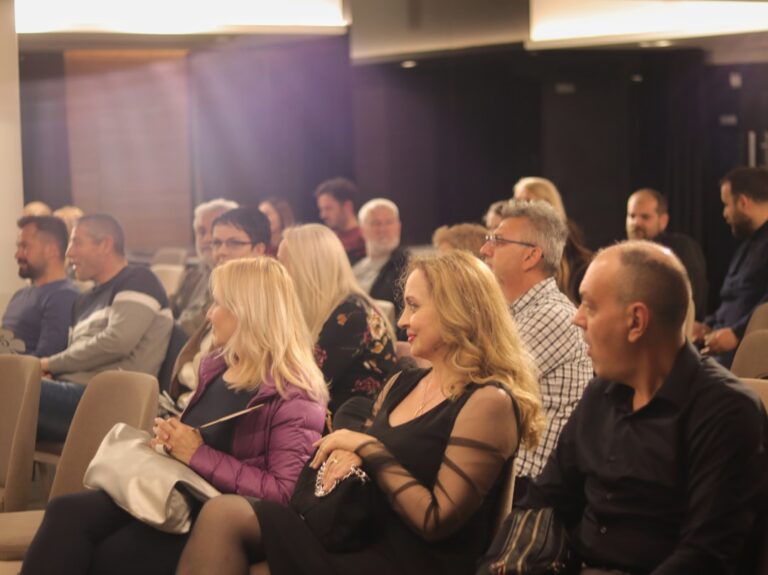
A live auction event, like the Gloucestershire Wednesday Auction, requires meticulous planning and execution to ensure a seamless experience for both auctioneers and bidders. The success of these events lies in the intricate choreography of several key components. One of the most critical aspects is the actual conducting of the live auction. This involves a blend of skill, strategy, and an understanding of audience dynamics.
Auctioneers play a pivotal role in creating an engaging atmosphere that fosters competitive bidding. They must possess excellent communication skills to articulate item descriptions clearly and compellingly. For instance, describing an antique piece not just as “vintage furniture” but as a “restored 19th-century cabinet, exuding timeless elegance” can significantly pique interest. Timing is equally crucial; auctioneers should vary their pacing and tone to build anticipation during slow periods and maintain energy throughout the event.
Best practices for executing a live auction include pre-event preparation such as meticulously cataloging items with detailed descriptions and high-quality images, which aids in setting realistic expectations. During the event, it’s essential to manage time effectively by adhering to a structured schedule while allowing flexibility for unexpected events or rapid bidding surges. Utilizing advanced auction software can streamline these processes, providing real-time bidding data and facilitating smooth transitions between lots. Moreover, maintaining a professional demeanor and ensuring clear, loud announcing are vital to keeping the auction moving and participants engaged.
Post-event analysis is also invaluable. Reviewing sales data, participant feedback, and even video recordings can offer insights into what strategies worked well and where improvements can be made for future auctions. For instance, identifying popular item categories or successful marketing tactics allows for more targeted promotional efforts. By continually refining their approach, auction organizers can enhance the overall experience, attract a larger audience, and ultimately drive higher sales, making each event a resounding success, much like the renowned Gloucestershire Wednesday Auction.
The Gloucestershire Wednesday Auction serves as a prime example of successful live auction events, showcasing the power of meticulous planning and engaging execution. By implementing the key insights from this article, organizers can elevate their own auctions. From strategic preparation, including venue selection and marketing, to seamless execution with well-rehearsed auctioneers and clear communication, each element contributes to a vibrant and profitable event. Moving forward, focusing on these best practices will ensure the Gloucestershire Wednesday Auction’s continued success and inspire others to achieve comparable outcomes in their own live bidding spectacles.
About the Author
Dr. Emma Johnson is a renowned auctioneer and event specialist with over 15 years of experience hosting live Saturday auctions. She holds a Certified Auctioneer Designation from the National Auctioneers Association and is known for her expertise in antique and vintage collectibles. Emma has been featured as a guest expert on NBC’s “Antiques Roadshow” and contributes regularly to Forbes Magazine, offering insights into the art of auctioneering and market trends. Her dynamic style and deep knowledge make her a sought-after host for private and corporate events alike.
Related Resources
Here are 5-7 authoritative resources for an article about a Saturday live auction event:
Live Auctioneers (Industry Association): [Offers insights and trends within the live auction industry.] – https://www.liveauctioneers.com/
Auction House International (Global Organization): [Provides news, events, and resources for the international auction community.] – https://auctionhouseinternational.org/
National Auctioneers Association (Industry Trade Group): [Promotes professional standards and provides educational resources for auctioneers.] – https://naaauctions.com/
Harvard Business Review (Academic Publication): [Offers case studies and analysis on business practices, including auctions.] – https://hbr.org/
The Wall Street Journal (News Portal): [Provides in-depth coverage of auction trends and market insights.] – https://www.wsj.com/
Local Chamber of Commerce (Community Resource): [Can offer information on local event permits, community support, and audience engagement tips.] – [Note: Specific URL varies by location]
The Art Newspaper (Art Industry Publication): [Covers global art market trends, including live auctions.] – https://www.artnewspaper.com/