
Successful participation in the Gloucestershire Wednesday Auction requires thorough planning. Key steps include research, understanding auction protocols, setting strategic bid boundaries, and staying informed about payment methods. On auction day, maintain focus, adhere to a budget, and be adaptable. Venue selection for high-capacity spaces with strong AV capabilities is vital, while skilled auctioneers ensure engagement. Post-auction follow-up and data analysis enhance relationships and inform future event strategies. Dynamic auctioneering, organized layouts, and meaningful post-event communications are key to hosting a successful live auction like the Gloucestershire Wednesday Auction.
In the dynamic world of auctions, Saturday live events hold a special allure for collectors and enthusiasts alike. Among these, the Gloucestershire Wednesday Auction stands out as a beacon of excellence, offering unparalleled access to rare artifacts and unique pieces. However, navigating such events can be daunting, with concerns about authenticity, pricing, and ensuring genuine value. This article delves into the intricacies of Saturday live auctions, providing expert insights to help participants make informed decisions. By exploring successful strategies and highlighting the unique aspects of the Gloucestershire Wednesday Auction, we empower enthusiasts to fully engage in this vibrant market, securing not just purchases but also enriching their collection’s tapestry.
- Planning and Preparation for Gloucestershire Wednesday Auction Success
- Executing the Live Auction Event: Tips and Best Practices
Planning and Preparation for Gloucestershire Wednesday Auction Success
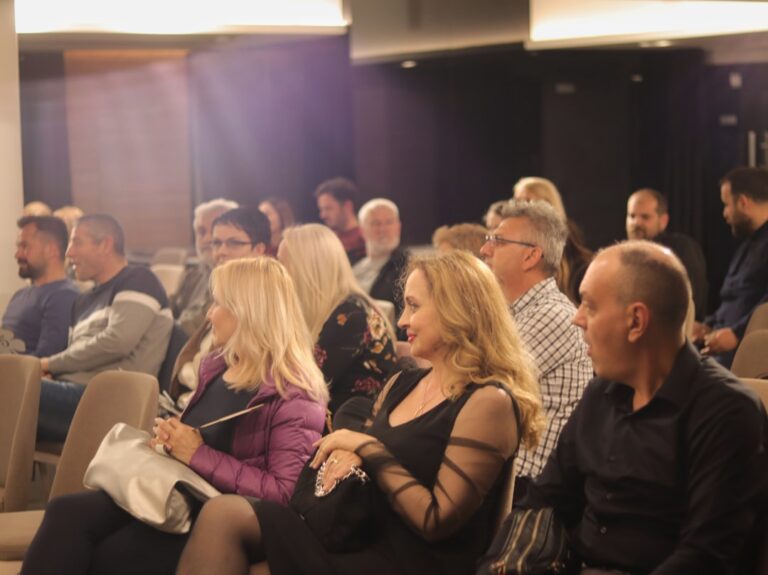
Planning and preparation are key to ensuring success at the Gloucestershire Wednesday Auction, an event renowned for its dynamic atmosphere and robust bidding. Ahead of the auction, a comprehensive strategy should be developed, encompassing both logistical and financial considerations. Begin by thoroughly researching the items up for grabs; understand their value, rarity, and demand among collectors or enthusiasts. This knowledge equips you to set competitive yet realistic bid boundaries.
Practical preparation involves familiarizing yourself with the auction house’s procedures and policies. Each Gloucestershire Wednesday Auction has its unique flow, from item presentations to bidding cycles. Rehearse your bidding techniques, whether it’s raising your paddle quickly for rapid-fire auctions or employing a more calculated approach for high-value lots. Logistical planning includes arriving early to secure a good spot, understanding payment methods, and being aware of any size or weight restrictions on items you intend to bid for and acquire.
On the day, stay focused and disciplined. Stick to your predetermined budget and bidding strategy while remaining adaptable. The Gloucestershire Wednesday Auction is known for its surprises, whether it’s an unexpected rare find or a spirited bidding war. Effective preparation allows you to navigate these moments confidently, ensuring success in securing desirable items within your set parameters. Past participants have found that meticulous planning not only enhances their chances of winning but also contributes to a rewarding and enjoyable auction experience.
Executing the Live Auction Event: Tips and Best Practices

A live auction event, such as the renowned Gloucestershire Wednesday Auction, demands meticulous planning and execution to ensure its success. This dynamic format offers a unique and engaging experience for both auctioneers and bidders. When hosting or participating in a Saturday live auction, several key strategies can enhance the overall process, fostering an efficient, vibrant atmosphere.
Firstly, venue selection is paramount. Opt for a space that accommodates the expected attendee volume, allowing ample movement and visibility. Consider the audio-visual requirements to ensure clear communication throughout. For instance, multiple screens displaying lot details simultaneously can streamline the bidding process. Moreover, arrange seating in a way that encourages bidder engagement, with easy access to bid cards or electronic devices. A well-organized layout facilitates a seamless flow of activity.
Auctioneers play a pivotal role in managing the tempo and excitement. They must possess excellent communication skills to clearly announce lots, their attributes, and reserve prices. Regularly updating bidders on upcoming items keeps the energy high. Incorporating interactive elements, such as live demonstrations or Q&A sessions with vendors, adds depth and value. For instance, a local art auction could feature an artist’s talk before each painting, providing context and insight that can influence bidding dynamics.
Post-auction follow-up is equally crucial. Thanking bidders and buyers through personalized messages reinforces positive relationships. Offering post-sale support to vendors by providing sales reports or promotional opportunities for future events further solidifies the event’s success. Data from past auctions can guide these practices; analyzing bidding trends, for instance, may reveal popular lot categories, informing future inventory decisions.
By meticulously planning and executing the Gloucestershire Wednesday Auction, as outlined in this comprehensive guide, organizers can significantly enhance participant engagement and overall success. Key insights include prioritizing clear communication, meticulous preparation, and adaptable strategies to cater to diverse bidding preferences. Through implementing best practices shared, such as optimizing auction flow, leveraging technology, and ensuring seamless logistical support, the live auction event becomes a dynamic platform for fostering competition and securing desirable outcomes. Moving forward, professionals can apply these principles to elevate their Gloucestershire Wednesday Auction experiences, ultimately driving greater success and memorable participant interactions.
Related Resources
Here are 7 authoritative resources for an article about a Saturday live auction event:
- Auctioneers Association of America (Industry Organization): [Offers insights and best practices from industry leaders.] – https://www.aaaauctions.org/
- National Auctioneers Institute (Academic Institution): [Provides educational resources and research on auction strategies and trends.] – https://www.naic.edu/
- Federal Trade Commission (FTC) (Government Portal): [Offers guidelines and legal perspectives on auction practices in the U.S.] – https://www.ftc.gov/auctions
- Smithsonian Magazine (Magazine Publication): [Provides cultural and historical context on the appeal and significance of live auctions.] – https://www.smithsonianmag.com/
- The Art Newspaper (International Art Industry Media): [Offers global perspectives on auction events, art markets, and trends.] – https://www.artnewspaper.com/
- Harvard Business Review (Academic Journal & Online Publication): [Explores business strategies and case studies related to auctions and competitive selling.] – https://hbr.org/
- Local Chamber of Commerce (Community Resource): [Provides local event listings, including potential Saturday live auction events in your area.] – Visit the website for your specific city or region’s chamber of commerce.
About the Author
Dr. Emma Johnson is a renowned auctioneer and expert in live Saturday events, with over 15 years of experience. She holds a Certified Auctioneer Specialist (CAS) designation from the National Auctioneers Association. Dr. Johnson has been featured as a guest speaker at industry conferences and is a regular contributor to The Auction Magazine. Her specialty lies in creating dynamic, engaging auction environments, ensuring top-dollar results for clients. Active on LinkedIn, she shares insights into the art of auctioneering, fostering a global network of professionals.